top of page
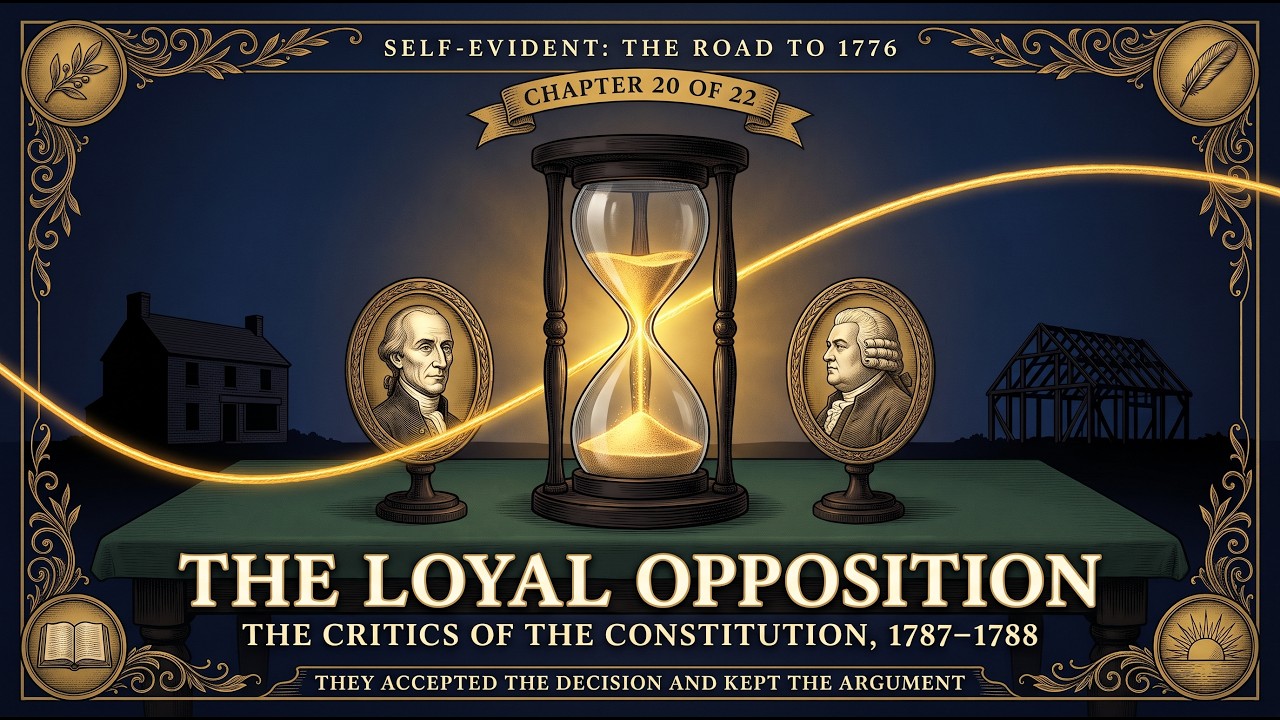
The Loyal Opposition: The Anti-Federalists and the Ratification of the Constitution
The Constitution's critics lost, and the votes were close: a margin of ten in Virginia, three in New York. They were wrong about monarchy and wrong about how fast power would gather. They were right about where it would go, and right that a government left to read its own powers would read them generously.
Nov 72 min read
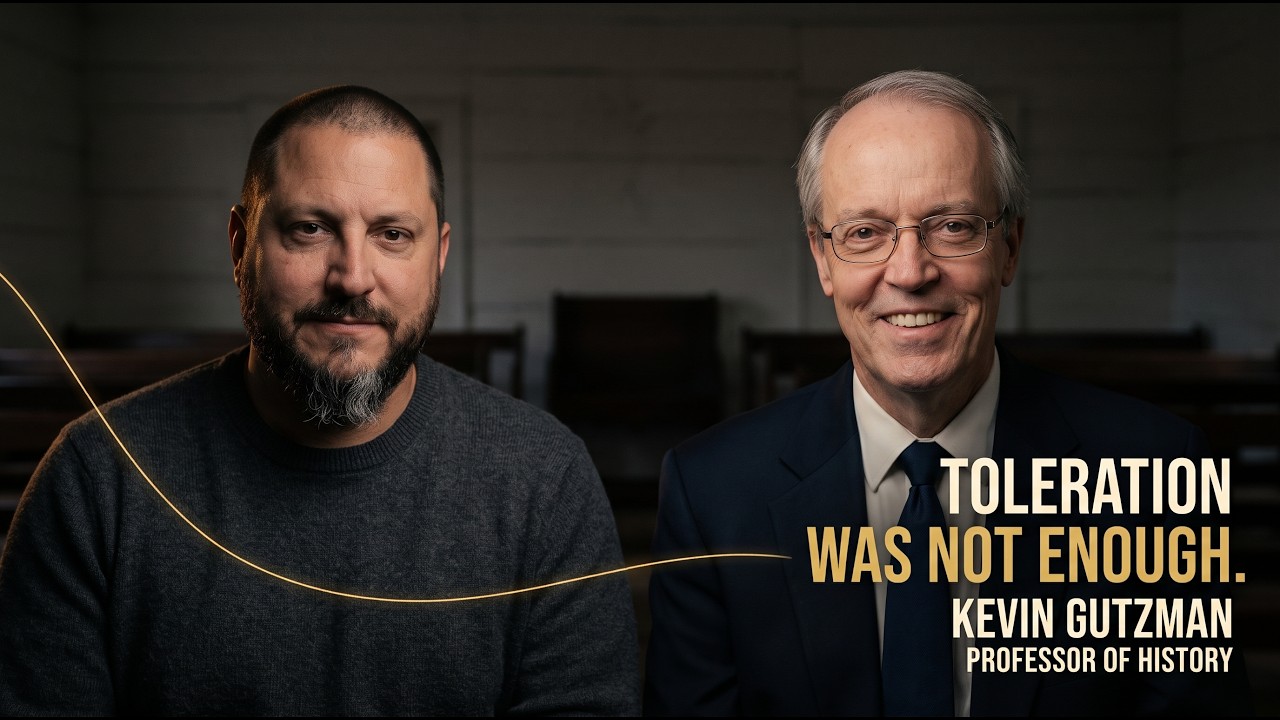
Kevin Gutzman on James Madison and the Constitution
At twenty-five, James Madison moved the Virginia Convention past mere toleration to "the free exercise of religion." Eleven years later, he went to Philadelphia to ask for a veto over every law of every state — and came home with a federal union instead.
Historian Kevin Gutzman calls Madison not the father of the Constitution but its unhappy stepfather.
Nov 53 min read

From a League of Friendship to We the People: The Constitutional Convention of 1787
James Madison went to Philadelphia asking for a national veto over every law of every state, "in all cases whatsoever," the same words Parliament had used to claim its power over the colonies. He came home with a federal union.
Oct 303 min read


"The Convention" — From a League of Friendship to We the People
On Monday, July 2, 1787, the Federal Convention voted on one sentence. Oliver Ellsworth of Connecticut had moved that each state have a single vote in the second branch of the new legislature, exactly as each state had a single vote in the Congress of the Confederation. For five weeks the large states had been building a national government on the principle that representation should follow population. For the same five weeks the small states had been warning that they would
Oct 2451 min read
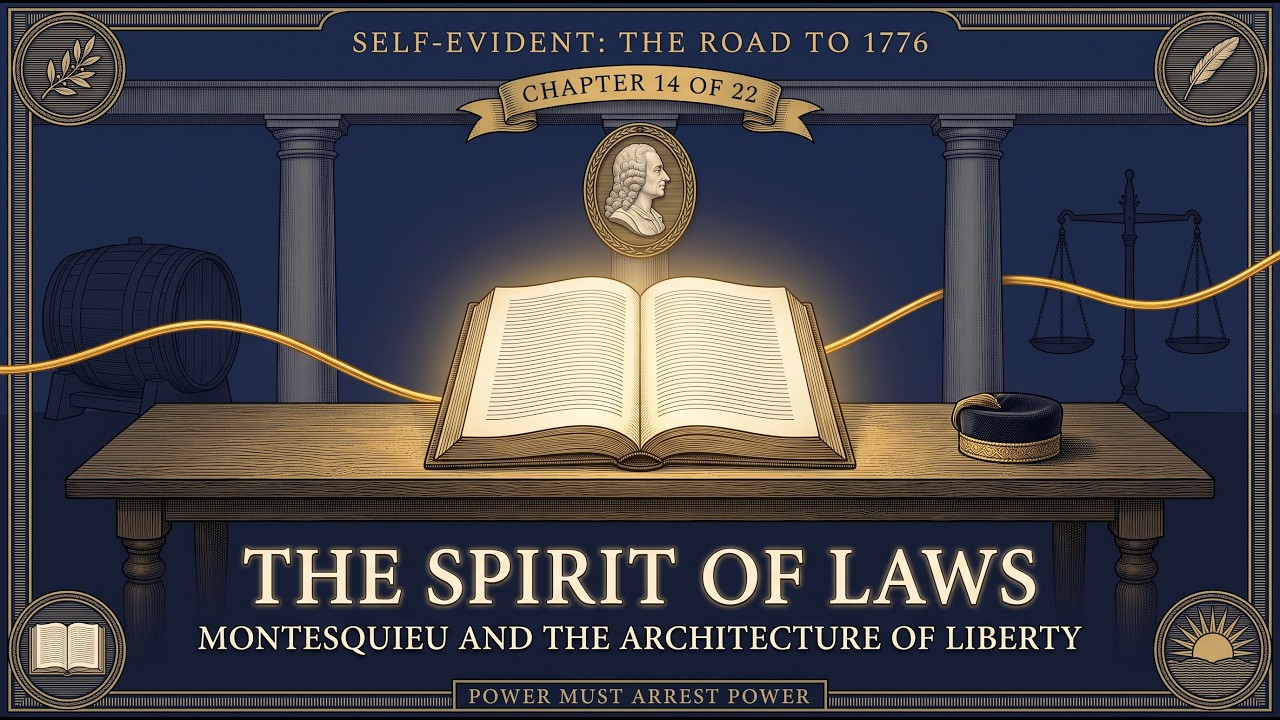
Everyone Quotes Montesquieu Almost Nobody Reads Past the First Page
This episode goes into the sixth chapter of the eleventh book — the most quoted passage of political writing produced in the eighteenth century, and among the least accurately remembered. Read to the halfway mark it says what everyone thinks it says: three powers, three sets of hands, keep them apart. Read past that point and Montesquieu dismantles both prohibitions. He does not want a permanent judiciary at all. He wants occasional tribunals of ordinary men, assembled for th
Sep 183 min read


“The Spirit of Laws” — Montesquieu and the Architecture of Liberty
The men who opposed ratification had the small-republic doctrine, and they used it hard. Brutus opened his first essay to the citizens of New York with it; Cato used it; it was the ground of the objection the leading Anti-Federalists put first, that a territory as large as the American states together could not be governed on free principles.⁴⁶
Hamilton answered, in the ninth number, by turning to another part of the same book. The opponents of the plan, he writes, have with
Sep 1343 min read

Epilogue: From General Welfare to the Great Society—The Arc of Administrative Power
In this final entry, we reflect on how this series has traced the transformation from Madison’s enumerated republic to Hamilton’s administrative state. From restraint to capacity. From structure to procedure. From limited government to what we have today.
Nov 30, 20251 min read


Enumerated Powers and the Early Republic — Federalism Before the Fracture
Before income taxes, before Social Security, before the alphabet soup of federal agencies, the United States lived under what the Founders called a government of enumerated powers. The federal government was meant to be strong enough to defend the Union and regulate commerce, yet weak enough to leave most of life untouched.
That balance—between energy and restraint—defined the first seven decades of the Republic. It was not perfect, not consistent, and certainly not unanimou
Oct 4, 20254 min read


The Federalist Divide — Madison vs. Hamilton and the General Welfare Debate
Every modern debate about federal power — from Social Security and Medicare to student loan forgiveness and pandemic bailouts — traces back to a fight most Americans have never heard of. It wasn’t about guns or abortion or the culture wars. It was about a single phrase in Article I of the Constitution:
“The Congress shall have Power to lay and collect Taxes, Duties, Imposts and Excises, to pay the Debts and provide for the common Defence and general Welfare of the United S
Oct 4, 20254 min read
bottom of page