top of page

Podcast Episodes
All Podcast Episodes from Consequential Actions

Peter McPhee on the French Revolution: Robespierre, the King's Trial, and the Terror
This is the interview episode for Week 15 of Self-Evident: The Road to 1776, "The Fork in the Road": Voltaire, Rousseau, and the Two Enlightenments. Tuesday's episode ended on the levy of February 1793 and the revolt in the Vendée: "they have killed our king, chased away our priests, and now they want to take our bodies."
4 days ago3 min read
The Draft Was Never Repealed. Here Is What Changes in December
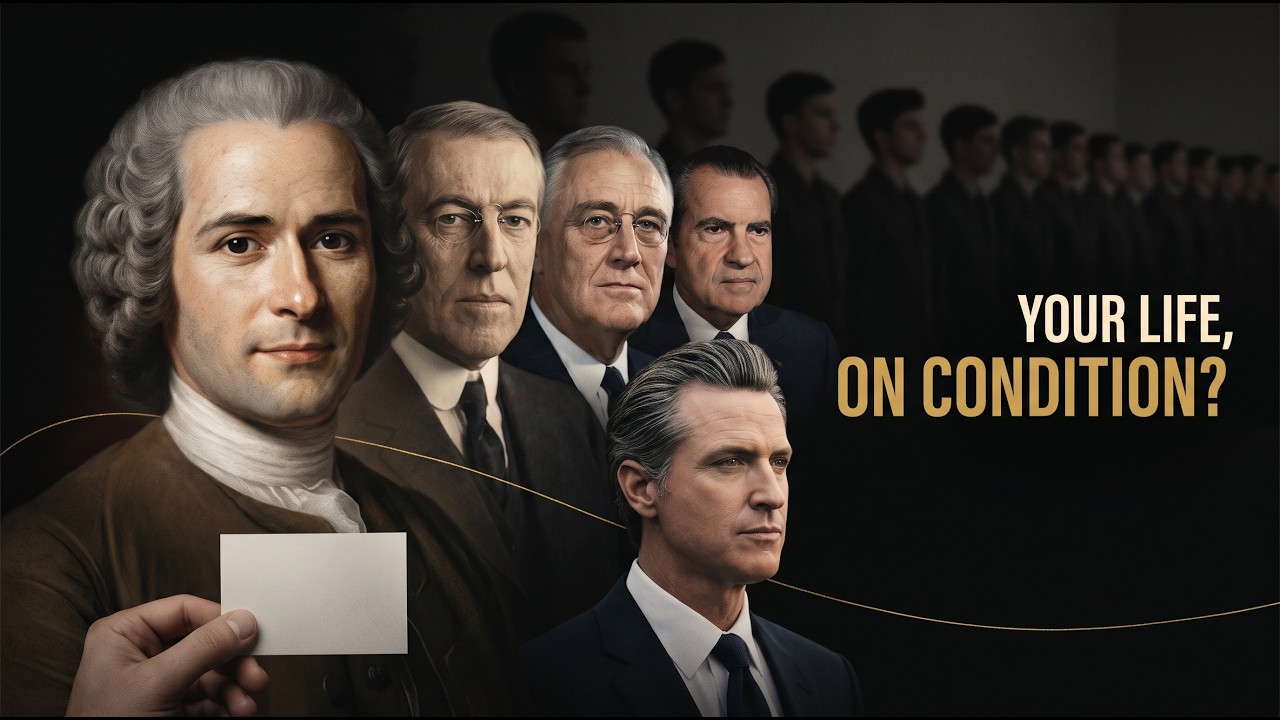
This December, Selective Service registration becomes automatic. The duty to sign up moves from the man to the government, and the agency that has to run it withdrew its implementing rules in July without ever publishing them.
6 days ago3 min read
Does Majority Consent Make You Free? Voltaire, Rousseau & the General Will
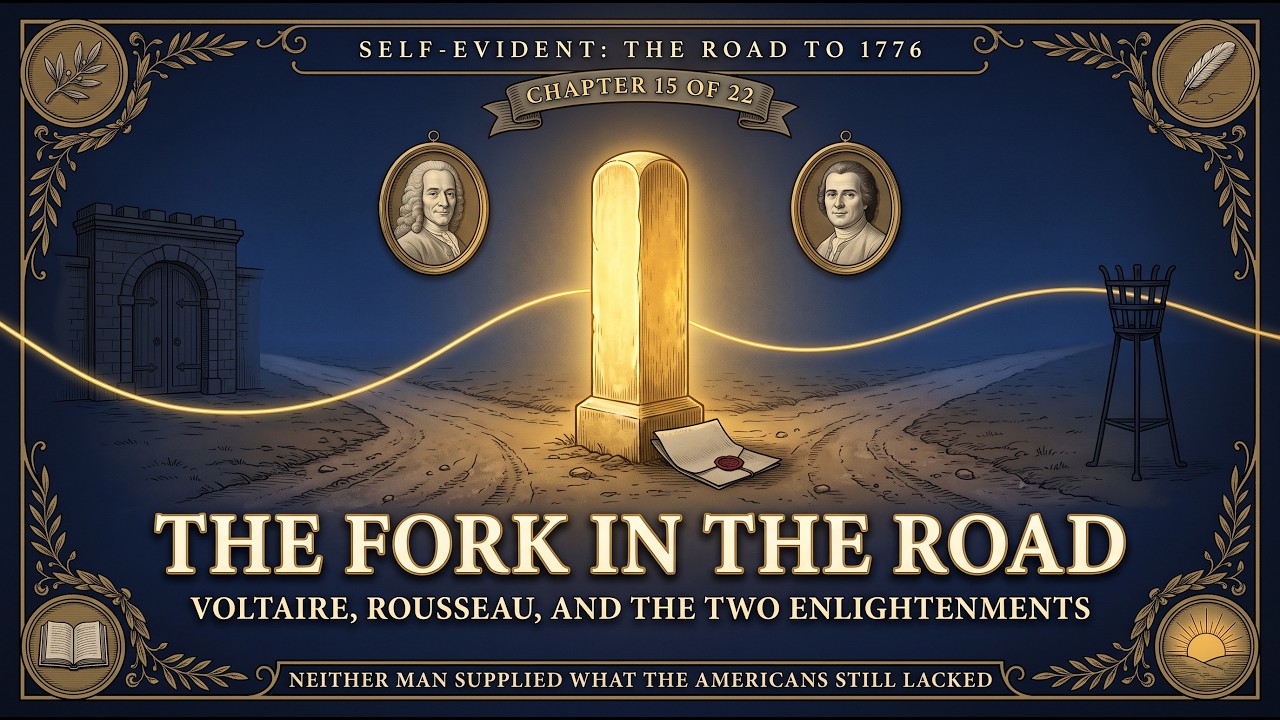
What is covered: the Calas affair and the four arguments of the Treatise on Tolerance; the general will versus the will of all; the real limits Rousseau set on his sovereign, and the question he did not clearly answer, which is who applies them; the "noble savage" phrase that is not his, and the famous Voltaire line that Voltaire never wrote; what Americans actually read of each man; how Robespierre invoked Rousseau, and why invocation is not derivation; how Edmund Burke and
Oct 33 min read

Humboldt County's Cannabis Fines & the Civil Jury | Jared McClain, Institute for Justice
This is the interview that closes Week 14 of Self-Evident: The Road to 1776. Saturday’s episode read Montesquieu’s chapter on England and followed his design into Madison’s hands. Tuesday’s watched the House of Representatives stop checking the executive. Today Jared takes the judicial side of the same question, and his answer is that the courts have been handing the executive power too.
Sep 243 min read

Massie, Hegseth & the Epstein Petition: Why Congress Stopped Checking
This contemporary-application episode takes the question Episode 14 ended on — what happens to a constitutional design when the parts stop resisting each other — and puts it to the House of Representatives this month. In Federalist 51, Madison connected the interest of the man to the constitutional rights of the place. In his chapter on England, Montesquieu gave the legislature the means of examining how its laws are executed, and warned against a legislature a considerable t
Sep 223 min read
Everyone Quotes Montesquieu Almost Nobody Reads Past the First Page
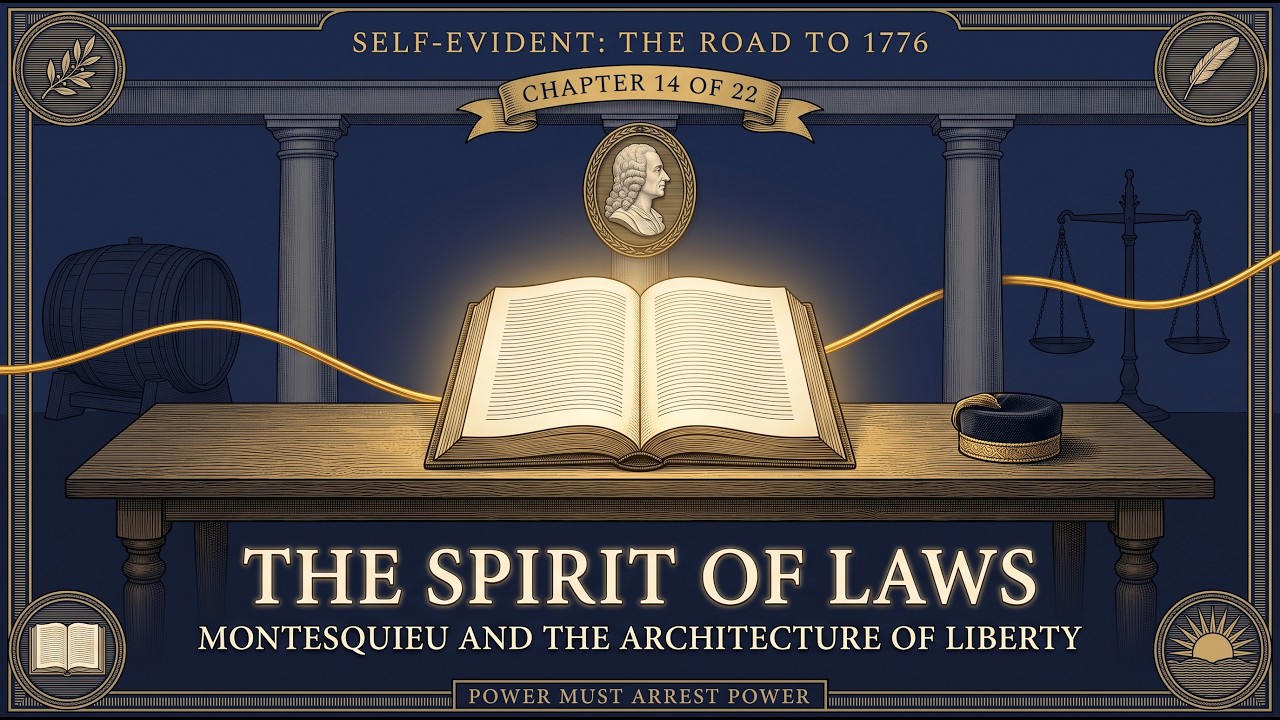
This episode goes into the sixth chapter of the eleventh book — the most quoted passage of political writing produced in the eighteenth century, and among the least accurately remembered. Read to the halfway mark it says what everyone thinks it says: three powers, three sets of hands, keep them apart. Read past that point and Montesquieu dismantles both prohibitions. He does not want a permanent judiciary at all. He wants occasional tribunals of ordinary men, assembled for th
Sep 193 min read

Socialist Calculation Debate Explained: Menger, Mises, Hayek and "I, Pencil" in 2026
Adam Smith wrote in 1776 that no human wisdom or knowledge could ever be sufficient to direct the industry of a nation. A century and a half later, other men turned that sentence into a formal argument. Carl Menger argued in 1871 that value sits in the person valuing, not in the object. Ludwig von Mises argued in 1920 that without private ownership of producer goods there are no exchange ratios for them, and so no way to weigh one use of a ton of steel against another.
Sep 153 min read
Adam Smith and Adam Ferguson: The Wealth of Nations, An Essay on the History of Civil Society, and the Militia Question
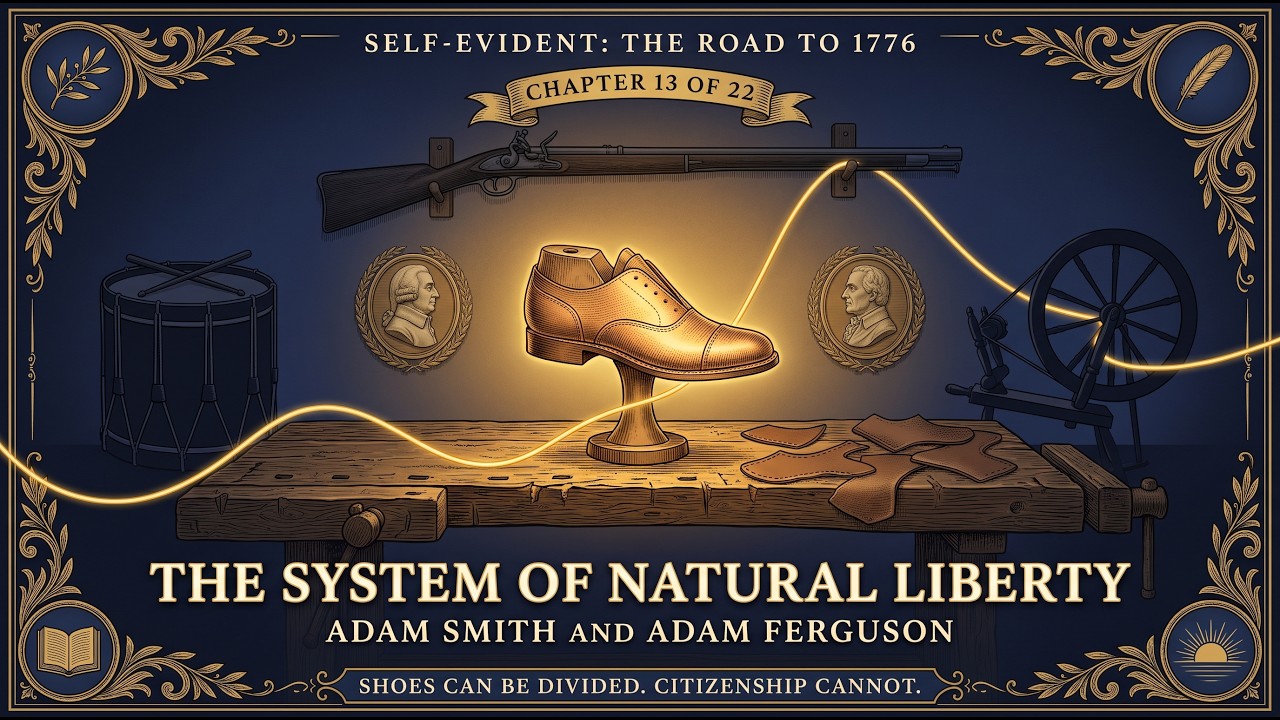
Two men were born in Scotland in 1723, a county apart. They joined the same Edinburgh club, kept the same friends, and worked from the same premise about what commercial life does to a people. They never agreed about the remedy, and the disagreement is more specific and more difficult than it is usually made to sound.
Sep 123 min read

David Evans of Sentiero Ventures on Artificial Intelligence, Lyapunov Time, and the Knowledge Problem | Self-Evident Week 12
David Evans is the founder and managing partner of Sentiero Ventures, an early-stage venture fund outside Dallas that invests in business software where artificial intelligence is the core of the product rather than a feature bolted onto it. Before the fund he was an operator. He has been writing software since the early 1990s, built and sold a national digital signage network, and founded EasySeat, an online ticket resale business that reached the Inc. 500 and sold in 2015.
Sep 103 min read

NYC Municipal Grocery Stores, the Rent Freeze, and Federal Equity Stakes: Hume's Knowledge Problem in 2026
Three cases, in ascending order of how hard they are to correct. The Rent Guidelines Board voted seven to one on June 25 under Order 58 to set adjustments at zero percent for both one-year and two-year renewal leases beginning October 1, covering roughly a million rent-stabilized apartments. The board is not a mob; it is a technical body that publishes seven separate research documents, one of which produced commensurate adjustment figures running from 3.4 to 8.5 percent. It
Sep 94 min read
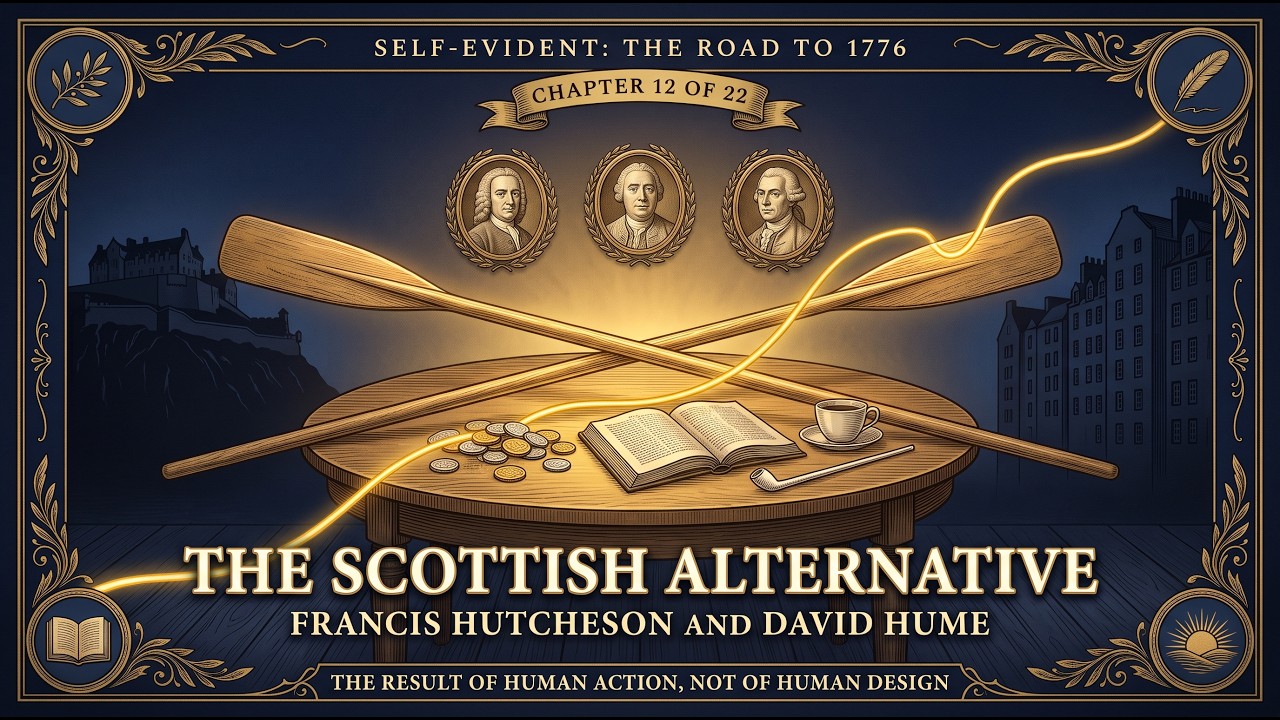
Hutcheson, Hume, and the Scottish Enlightenment: Undesigned Order Before It Had a Name
Episode 12 of Self-Evident opens Arc Four and the Scottish arc. It begins with the conditions: a kingdom that lost Darien and then argued itself into a union it did not agree about, a Kirk that put a schoolmaster in nearly every lowland parish because Presbyterian doctrine required ordinary people to read Scripture themselves, and that in the same generation urged the vigorous execution of the law against a twenty-year-old student named Thomas Aikenhead, hanged for blasphemy
Sep 53 min read

James Ostrowski on the 1689 Arms Clause, the NY SAFE Act Reversal, and Government Takes 80%
Interview Episode for Self-Evident: The Road to 1776 — Episode 11i I Asked a Forty-Year Appellate Lawyer What a Court Is For. He Said It Is a Bureaucracy. This is the Thursday conversation that closes week 11 of Self-Evident: The Road to 1776. Saturday traced the Glorious Revolution and the English Bill of Rights of 1689. Tuesday set a written bill of rights against an unwritten one. Both stopped short of the arms clause, because that argument belongs to somebody who has carr
Sep 34 min read


A Tax Expired at Midnight. Another Took Its Place in the Same Minute.
Covers the fourth declaratory clause in full, the 1689 revenue settlement and the four-year customs grant, the first Mutiny Act and its seven-month life, Learning Resources v. Trump and the three-justice major questions plurality, Section 122 and Section 307, and the two bills now sitting in the Senate Finance Committee.
Sep 13 min read


In the Age of Trump and Biden, Victor Davis Hanson Is Wrong About Third Parties
I believe strongly in the value of minor parties and ensuring the coalitions built have a representation of your ideas and ideals. This message is missed in the episode I am responding to so I want to fill in the gaps and let users also understand the math of what it really means to “waste your vote” because it is not what you think.
Aug 293 min read
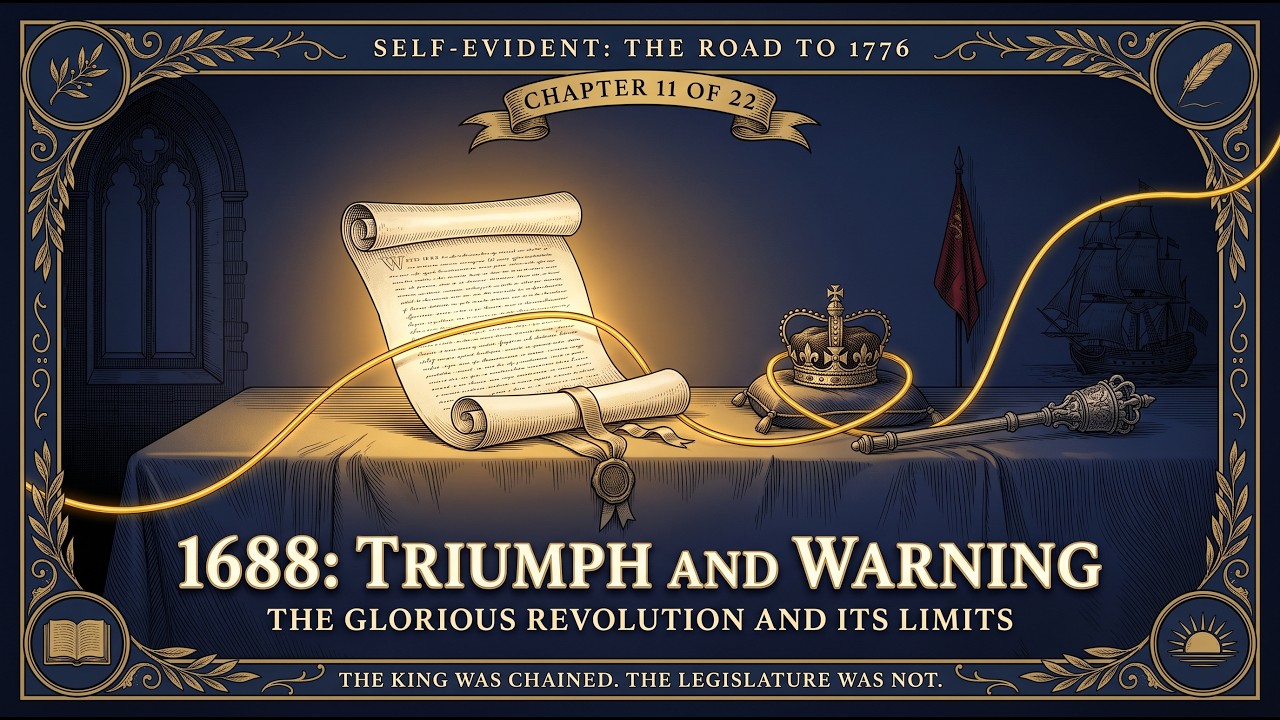
The Glorious Revolution of 1688 and the English Bill of Rights
On the afternoon of 5 November 1688, the people of a Devon fishing village looked out at Tor Bay and could not see the water for ships. Something like four hundred and sixty of them, carrying fifteen thousand professional soldiers, their horses, their siege guns, and a printing press. It was the largest fleet to reach English shores since 1066, it had sailed the length of the Channel unopposed, and it belonged to a foreign head of state. Fourteen months later that same kingdo
Aug 224 min read
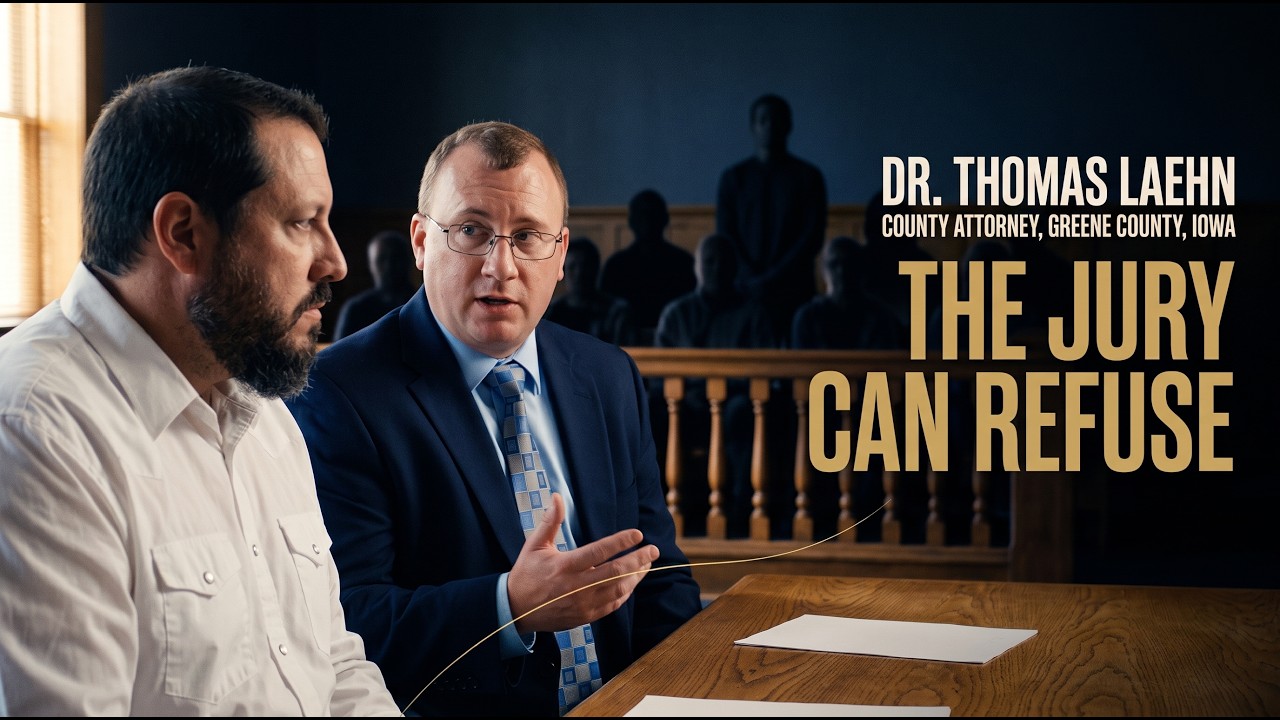
Dr. Thomas Laehn, LP Candidate for US Senate — On Locke, Eminent Domain, and Jury Nullification
Dr. Thomas Laehn taught constitutional law and political philosophy to undergraduates before he ever charged anyone with a crime. He is now the County Attorney for Greene County, Iowa, the first Libertarian ever elected to partisan office in that state, and a candidate for the United States Senate seat Joni Ernst is leaving open. He is also, by his own description paradoxically, a proponent of jury nullification.
Aug 203 min read

Scribere Est Agere: When a Government Turns Your Writing Into an Act
This hour names a British government, a Chinese government, and an American administration, and applies the same standard to each. It also declines the easy version of its own argument. The British non-crime hate incident regime was found unlawful by Britain’s own Court of Appeal in 2021, abandoned for investigation by the Metropolitan Police in October 2025, and the statutory basis for it was repealed by an Act of Parliament that received Royal Assent this April. The reform
Aug 183 min read
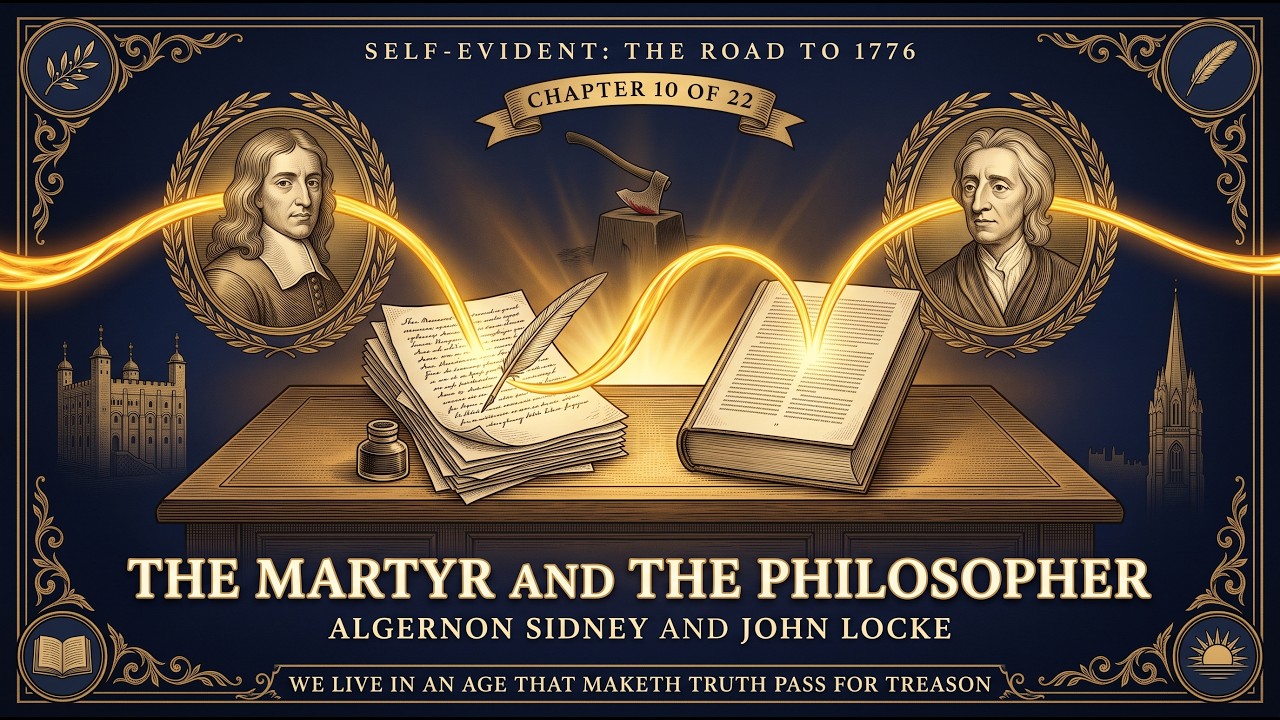
Algernon Sidney and John Locke: How Two Men Answered Filmer and Armed a Revolution
This episode states Filmer’s case at full strength before answering it, because an argument answered in its weakest form has not been answered at all — and his hard question has never entirely gone away. When, exactly, did you consent? Where is this original agreement? Produce it. You were born into a country, under laws written before you existed, enforced by a government you never chose, and you did not sign anything.
Aug 153 min read

Brendan Kirby, FOX10 News Investigative Reporter, on Grand Jury Secrecy, Body Camera Records...
This is the Thursday conversation that closes week nine of Self-Evident: The Road to 1776. Sunday brought the written article. Saturday told the history of the Levellers, the printers and pamphleteers who wanted the limits on power written down and published without anyone’s permission. Tuesday carried it into the present. Today we close the week with a living voice — because rather than theorize about the distance between a document and its enforcement, it seemed better to a
Aug 133 min read

Fauci Contempt Vote Explained: The Fifth Amendment, the Pardon, and the Lois Lerner Precedent
This hour costs something. It defends a man I hold responsible for real harm, it criticizes Senator Rand Paul, who is on most days the best friend the Bill of Rights has in the Senate, and it turns on the movement and on me before it turns anywhere else. That is the point. The test this series always comes back to: did this leave us more free, or more governed?
Aug 113 min read
bottom of page