top of page
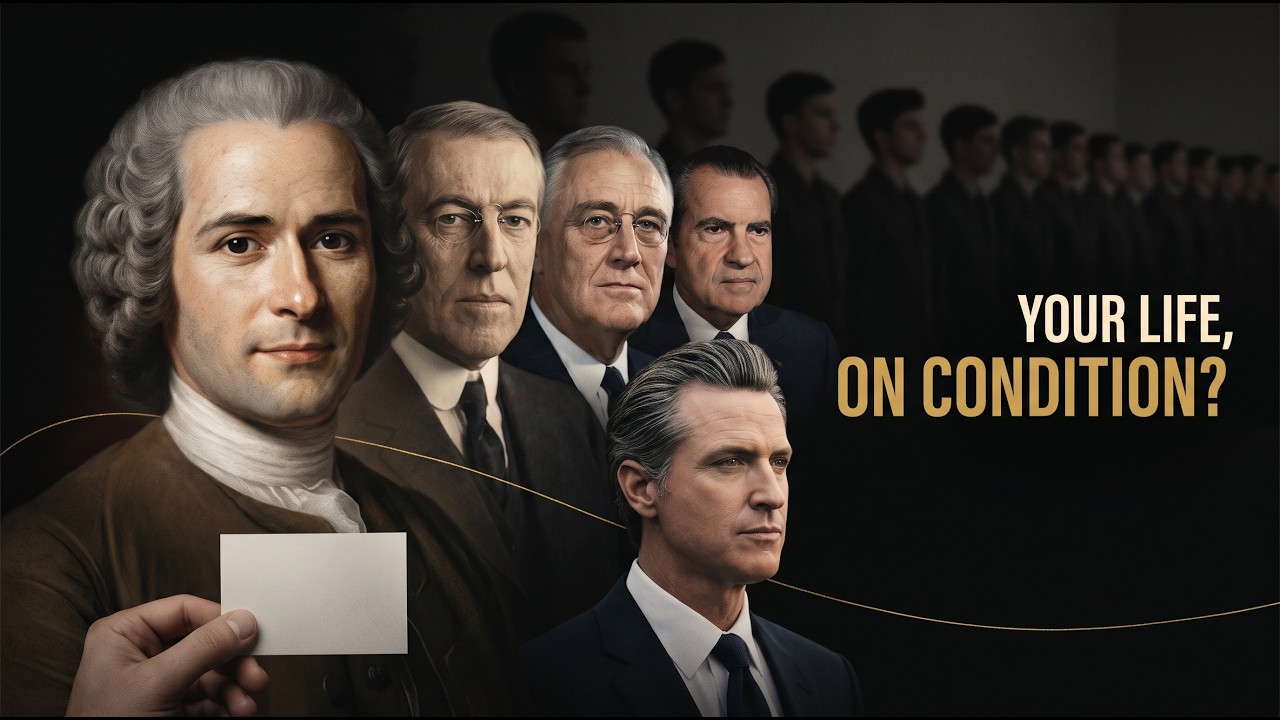
The Draft Was Never Repealed. Here Is What Changes in December
This December, Selective Service registration becomes automatic. The duty to sign up moves from the man to the government, and the agency that has to run it withdrew its implementing rules in July without ever publishing them.
6 days ago3 min read

Why Did the US Enter World War I? Top 5 Reasons
Twenty-three months separate those two dates. A country supposedly enraged past all endurance somehow contained itself for almost two years — and then went to war anyway.
So what actually changed in between? These are the top five reasons the United States entered World War One, ranked not by drama but by depth: from the reason everybody names first, up to the condition underneath all of them. At every single item, the case for war is given at full strength before one word
Jul 292 min read
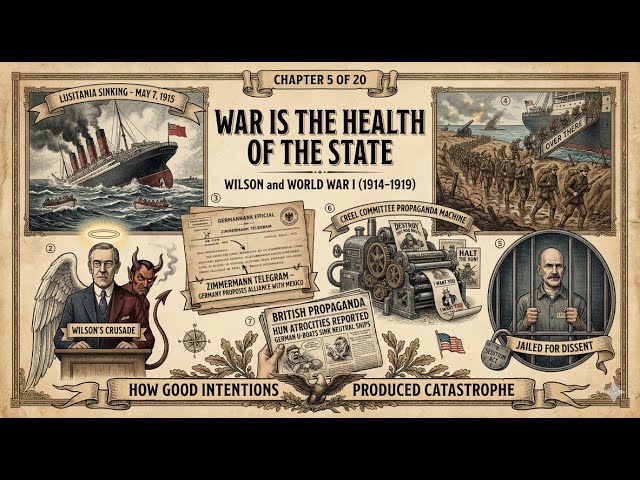
War Is the Health of the State—Wilson and World War I
America’s entry into World War I was not a response to German aggression against the United States but a choice—influenced by British propaganda, financial entanglement, Wilsonian ideology, and the interests of those who would profit from war. This episode traces how neutrality eroded through $2.3 billion in Wall Street loans, how the Lusitania and Zimmermann Telegram provided pretexts for intervention, and how the dissenters who opposed war were silenced and destroyed. We ex
Feb 71 min read


Reconstruction, Industrialization, and the Rise of the New Constitution
When the Civil War ended, the United States was not the same nation that had gone to war four years earlier. The bloodletting had settled the question of state sovereignty by force, but the peace that followed redefined individual sovereignty by law.
The Reconstruction Amendments—the 13th, 14th, and 15th—marked a second founding. They transformed the Constitution from a pact among states into a national charter of rights that bound the states themselves.
Oct 6, 20257 min read
bottom of page