top of page
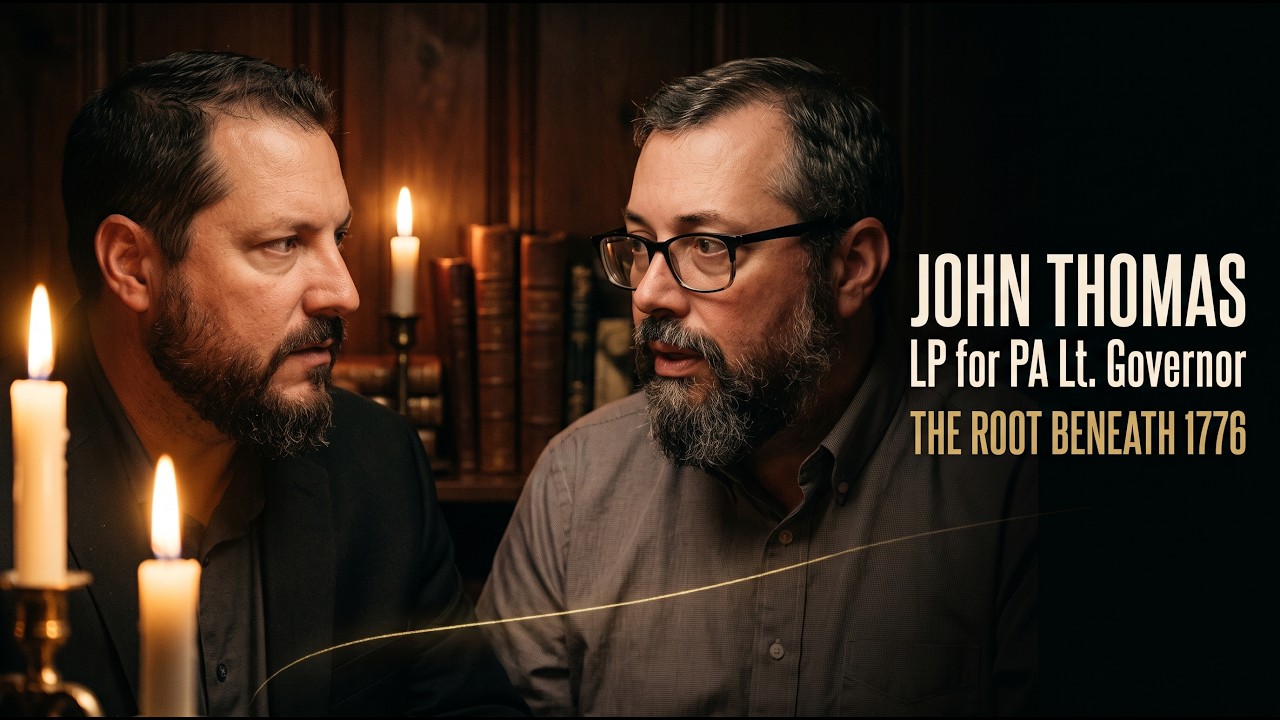
John Thomas, LP Candidate for PA Lieutenant Governor — On Resistance, Romans 13 & School Choice
John Thomas is an educator, a church elder, and the Libertarian candidate for Lieutenant Governor of Pennsylvania, running alongside gubernatorial candidate Ken Krawchuk. A man who has spent his life inside both the church and the liberty movement, he is exactly the voice this week's history called for.
Jul 232 min read

The St. Bartholomew's Day Massacre and the Birth of Resistance Theory
Theodore Beza vested the right of resistance not in the private individual but in the lesser magistrates — the constituted officers who stand between the sovereign and the subject — making revolt lawful without making it universal. François Hotman built his case from history, arguing in Francogallia that absolute monarchy was a corruption of France's older, better constitution. And the Vindiciae Contra Tyrannos, published under a pseudonym in 1579, grounded the whole structur
Jul 183 min read


When Is Resistance Lawful? — Calvinist Resistance Theory
In the decade after 1572, and especially in the seven years that followed, the Calvinist world produced a body of political theory that would change the trajectory of Western liberty. Theodore Beza, François Hotman, the anonymous author of the most systematic treatise of them all, and the Scot George Buchanan set out to answer, with rigor and at length, the question that Luther had raised at Worms and refused to resolve.
Jul 1228 min read
bottom of page