top of page
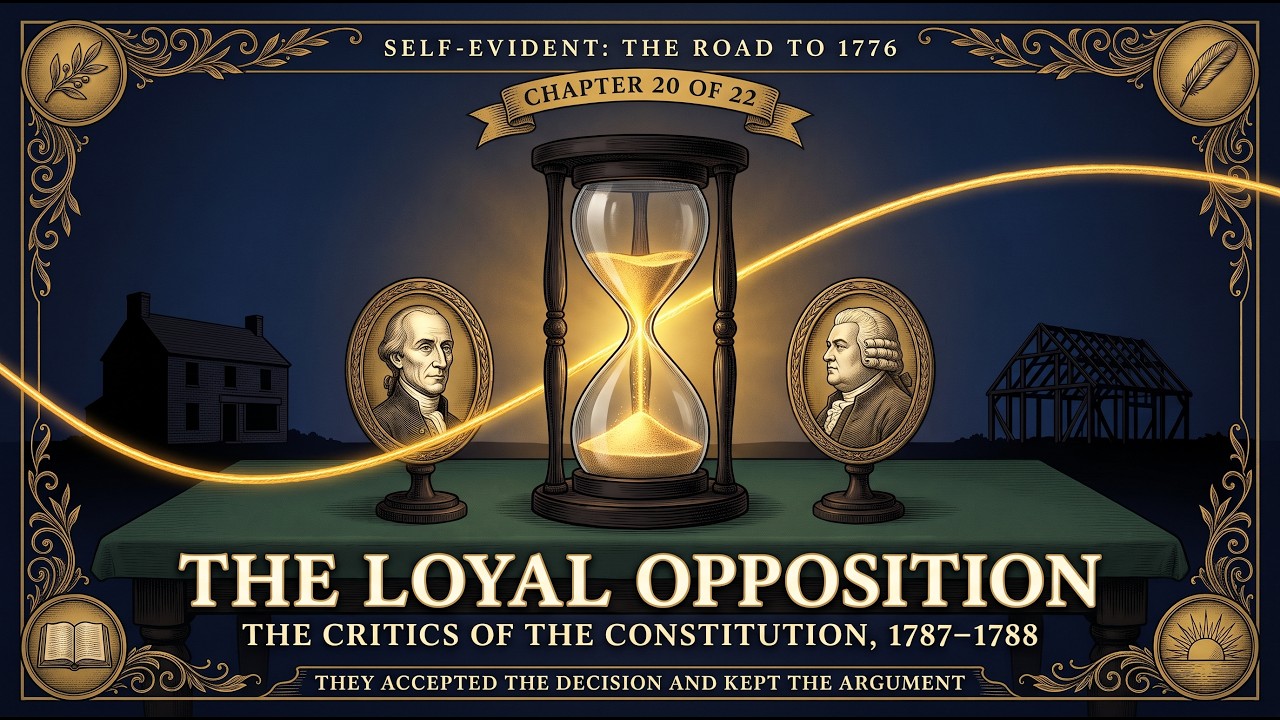
The Loyal Opposition: The Anti-Federalists and the Ratification of the Constitution
The Constitution's critics lost, and the votes were close: a margin of ten in Virginia, three in New York. They were wrong about monarchy and wrong about how fast power would gather. They were right about where it would go, and right that a government left to read its own powers would read them generously.
Nov 72 min read

From a League of Friendship to We the People: The Constitutional Convention of 1787
James Madison went to Philadelphia asking for a national veto over every law of every state, "in all cases whatsoever," the same words Parliament had used to claim its power over the colonies. He came home with a federal union.
Oct 303 min read
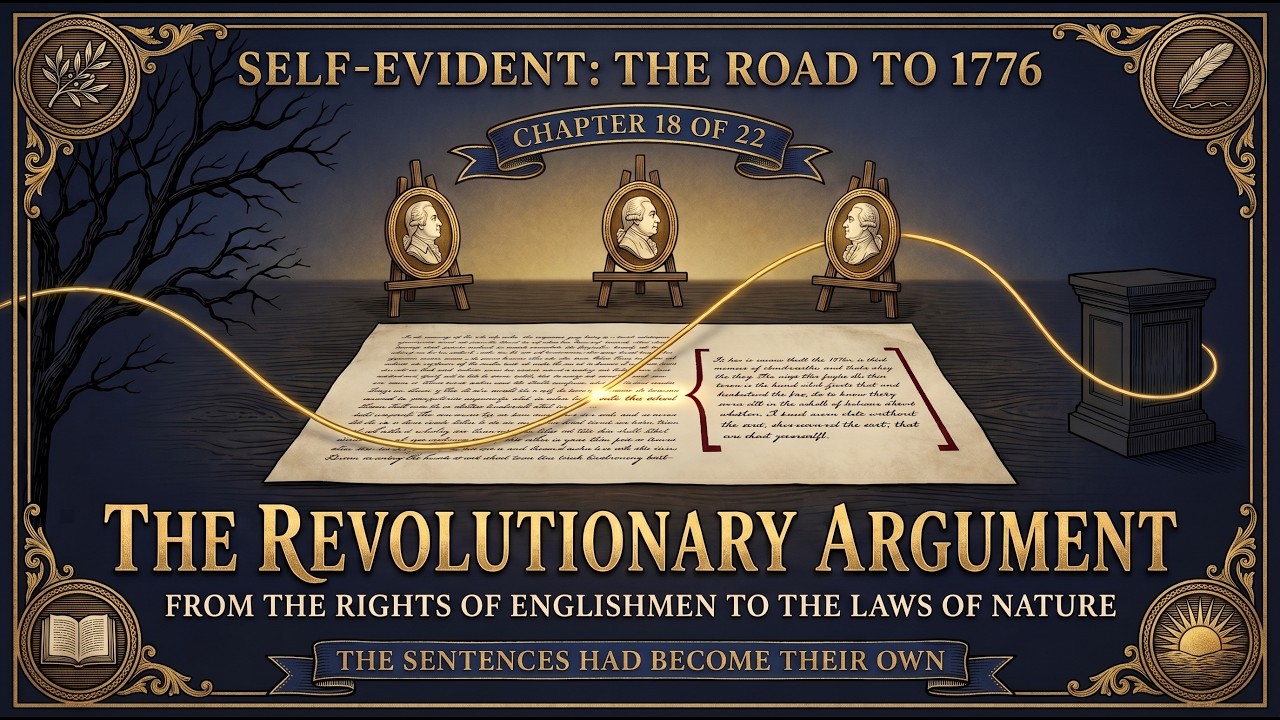
From the Rights of Englishmen to the Laws of Nature: The Road to the Declaration
In June 1776, Thomas Jefferson's draft of the Declaration called its truths "sacred and undeniable." Those two words were struck through, and a new one was written above them: self-evident. A self-evident truth needs no charter, no statute, and no ancient constitution.
Oct 233 min read
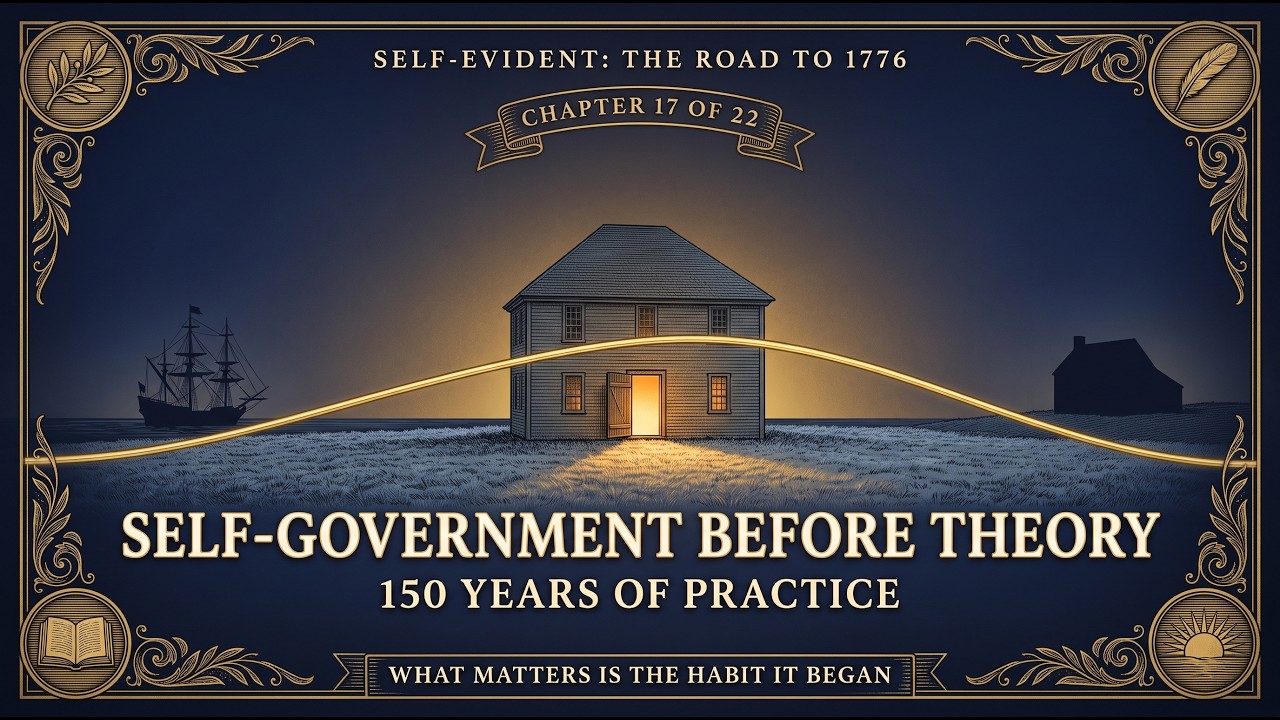
The Mayflower Compact to the Town Meeting: How Colonial New England Governed Itself
In November 1620, the Mayflower dropped anchor far outside the only patent its passengers held. Before anyone went ashore, forty-one men promised to make just and equal laws and to obey them. The paper named no office and stated no right. The habit it began lasted a century and a half.
Oct 163 min read
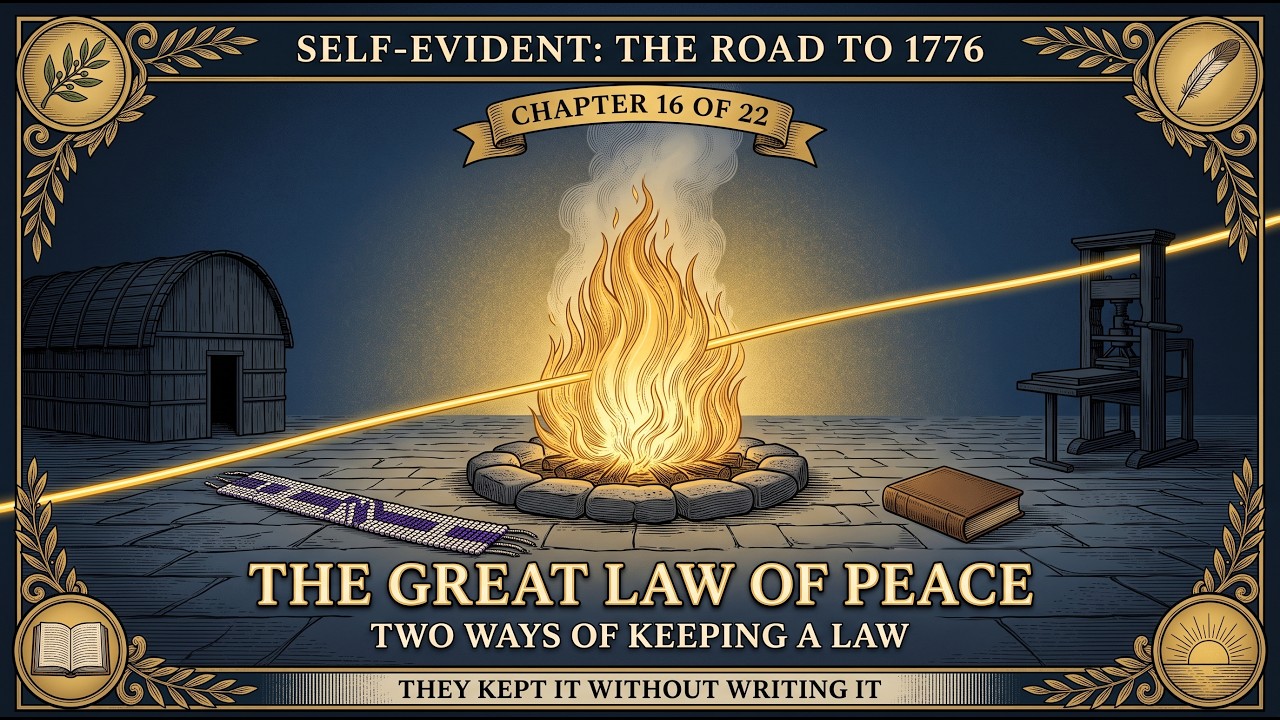
Did the Iroquois Shape the Constitution? The Great Law of Peace
The Six Nations (the Haudenosaunee, whom the French and English called the Iroquois) held a union of self-governing nations together for centuries without a king. Their Grand Council had fifty seats fixed by its founding law. Clan mothers chose and could remove the men who held them, and nothing was decided until all three benches agreed. The colonists lived beside that union for generations, heard its speakers urge them to imitate it, and bought those speeches in small books
Oct 103 min read

Why Did the US Enter World War I? Top 5 Reasons
Twenty-three months separate those two dates. A country supposedly enraged past all endurance somehow contained itself for almost two years — and then went to war anyway.
So what actually changed in between? These are the top five reasons the United States entered World War One, ranked not by drama but by depth: from the reason everybody names first, up to the condition underneath all of them. At every single item, the case for war is given at full strength before one word
Jul 292 min read

The Golden Thread
The series opener makes a single, startling claim: the truths the Declaration of Independence calls self-evident were not invented in Philadelphia. They were inherited — refined across more than two thousand years, in more than one civilization, by men who rarely knew one another. Jefferson himself said as much, naming Aristotle, Cicero, Locke, and Sidney as the “elementary books” behind the Declaration. This episode establishes that the Founders were readers before they were
Jun 132 min read

Manifest Destiny—Continental Expansion and the Seeds of Empire
This episode examines American continental expansion—from Jefferson’s peaceful Louisiana Purchase to Polk’s manufactured Mexican-American War to Cleveland’s principled refusal to annex Hawaii. We explore the diversity of Native American nations and the varying (but consistently dispossessive) American policies toward them. We trace how the Mexican-American War established a template for imperial conflict—executive manipulation, manufactured casus belli, congressional acquiesc
Jan 172 min read
bottom of page