top of page

Peter McPhee on the French Revolution: Robespierre, the King's Trial, and the Terror
This is the interview episode for Week 15 of Self-Evident: The Road to 1776, "The Fork in the Road": Voltaire, Rousseau, and the Two Enlightenments. Tuesday's episode ended on the levy of February 1793 and the revolt in the Vendée: "they have killed our king, chased away our priests, and now they want to take our bodies."
14 hours ago3 min read
The Draft Was Never Repealed. Here Is What Changes in December
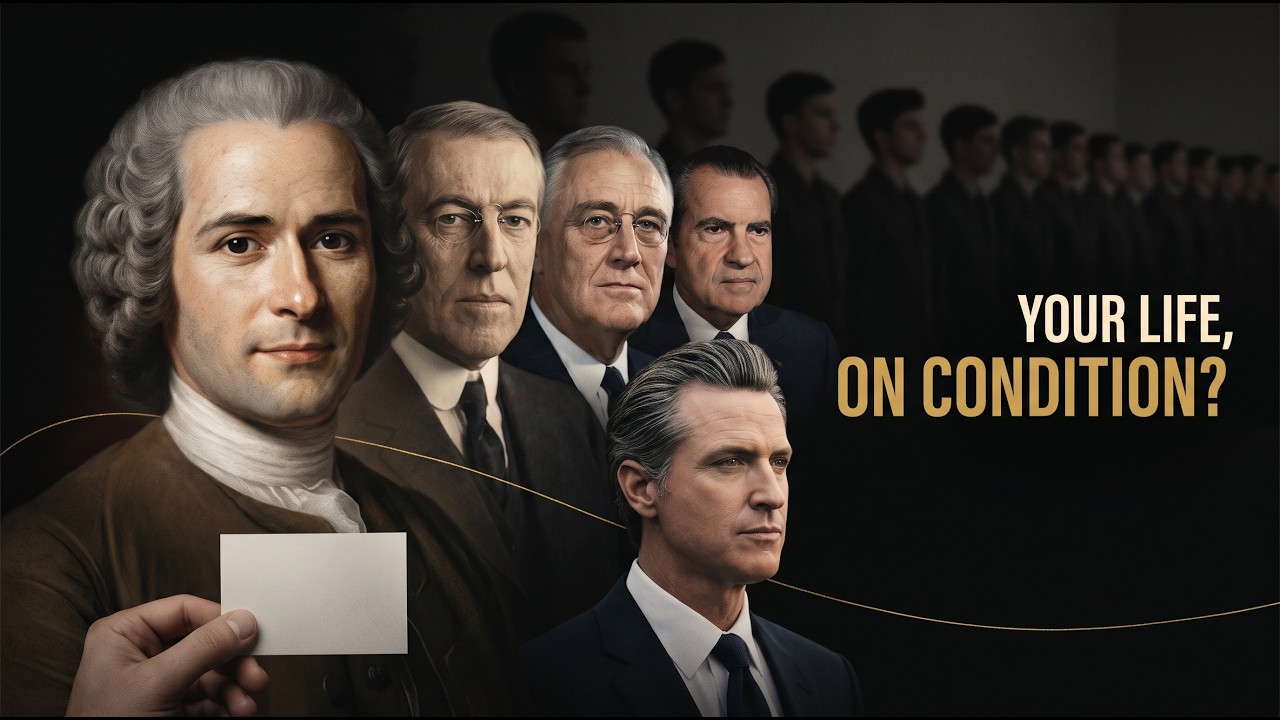
This December, Selective Service registration becomes automatic. The duty to sign up moves from the man to the government, and the agency that has to run it withdrew its implementing rules in July without ever publishing them.
3 days ago3 min read
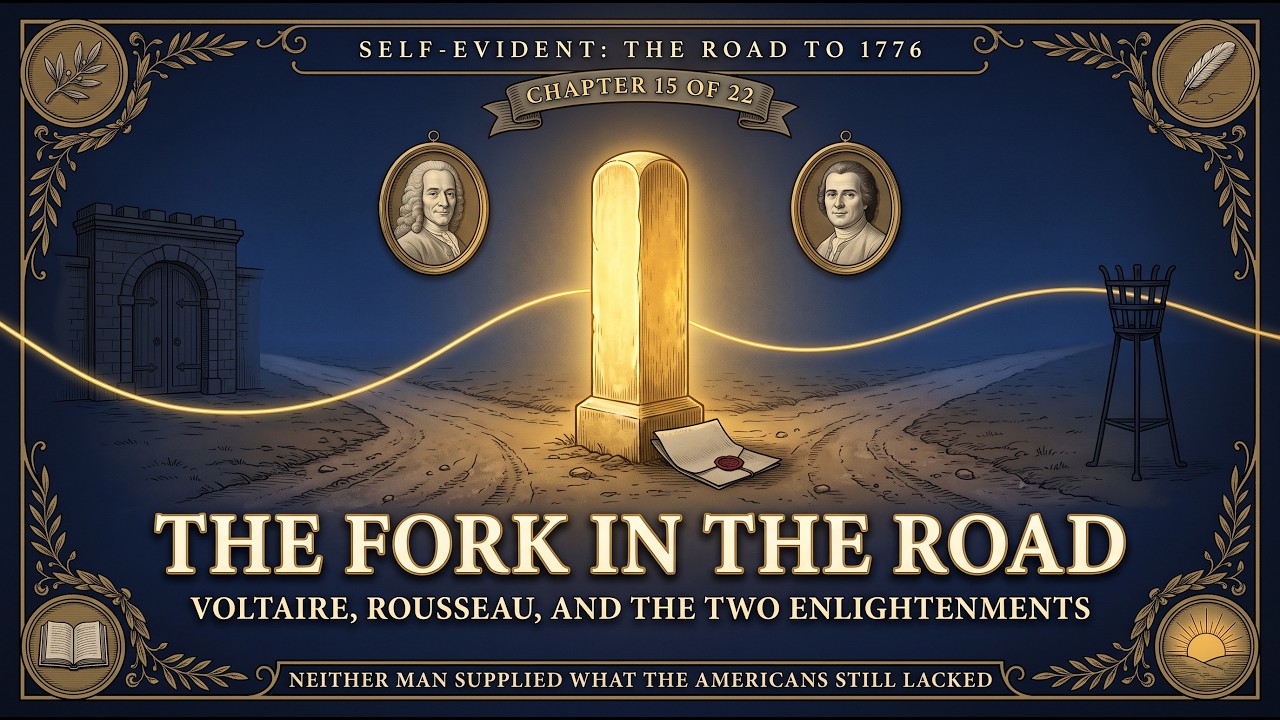
Does Majority Consent Make You Free? Voltaire, Rousseau & the General Will
What is covered: the Calas affair and the four arguments of the Treatise on Tolerance; the general will versus the will of all; the real limits Rousseau set on his sovereign, and the question he did not clearly answer, which is who applies them; the "noble savage" phrase that is not his, and the famous Voltaire line that Voltaire never wrote; what Americans actually read of each man; how Robespierre invoked Rousseau, and why invocation is not derivation; how Edmund Burke and
6 days ago3 min read


“The Fork in the Road” — Voltaire, Rousseau, and the Two Enlightenments
Voltaire reached them early and reached them as a historian and a dramatist more than as a philosopher. His histories were in colonial libraries; his plays were performed; Candide circulated. The part that bears on this article is the toleration argument, which also circulated, and which arrived in a colonial world already working out its own settlements between churches and civil authority.³⁰ None of that makes a French book the source of any American measure, and the surviv
Sep 2752 min read
bottom of page