top of page
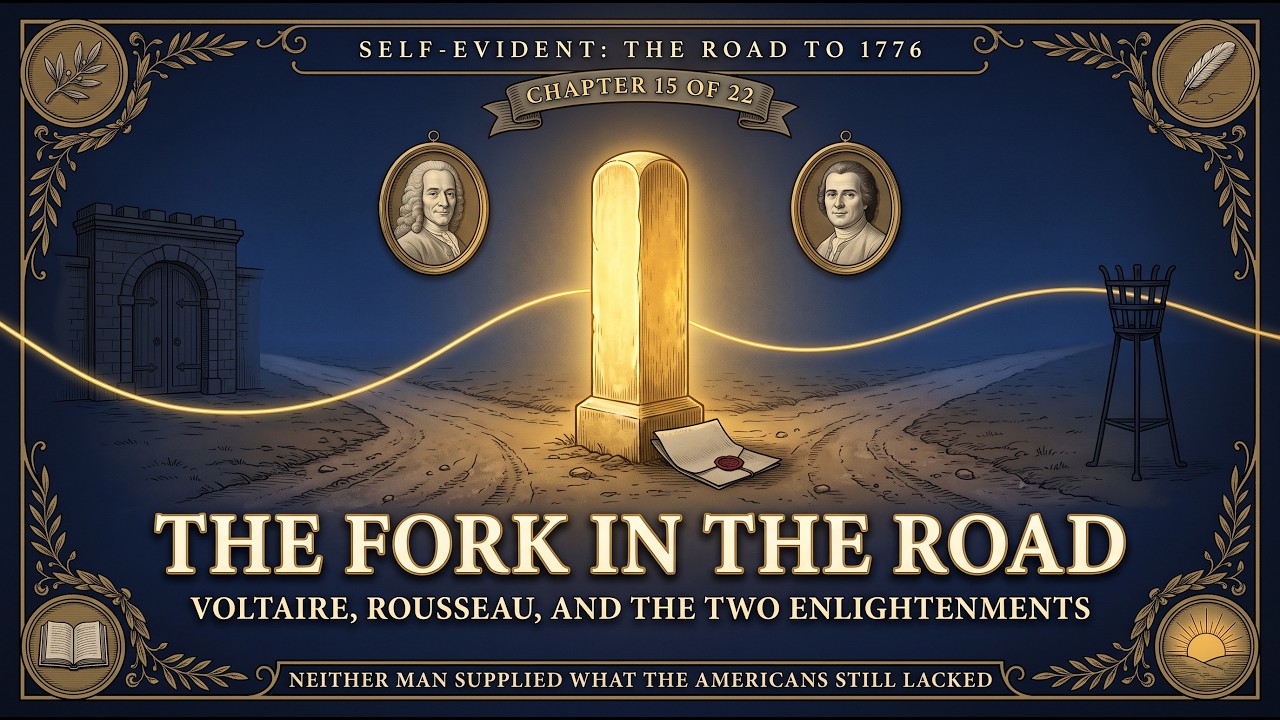
Does Majority Consent Make You Free? Voltaire, Rousseau & the General Will
What is covered: the Calas affair and the four arguments of the Treatise on Tolerance; the general will versus the will of all; the real limits Rousseau set on his sovereign, and the question he did not clearly answer, which is who applies them; the "noble savage" phrase that is not his, and the famous Voltaire line that Voltaire never wrote; what Americans actually read of each man; how Robespierre invoked Rousseau, and why invocation is not derivation; how Edmund Burke and
6 days ago3 min read

Martin Luther at the Diet of Worms (1521): Conscience, the Reformation, and the Birth of Resistance
On the eighteenth of April, 1521, a thirty-seven-year-old excommunicated monk stood alone in a crowded hall at Worms and refused an order backed by the two highest powers on earth — the Pope and the Holy Roman Emperor. Posterity gave him a ringing phrase he almost certainly never said. What Martin Luther verifiably declared was quieter, and far more radical: that his conscience, captive to the Word of God, would not recant — because it is neither safe nor right to go against
Jul 113 min read
bottom of page