top of page
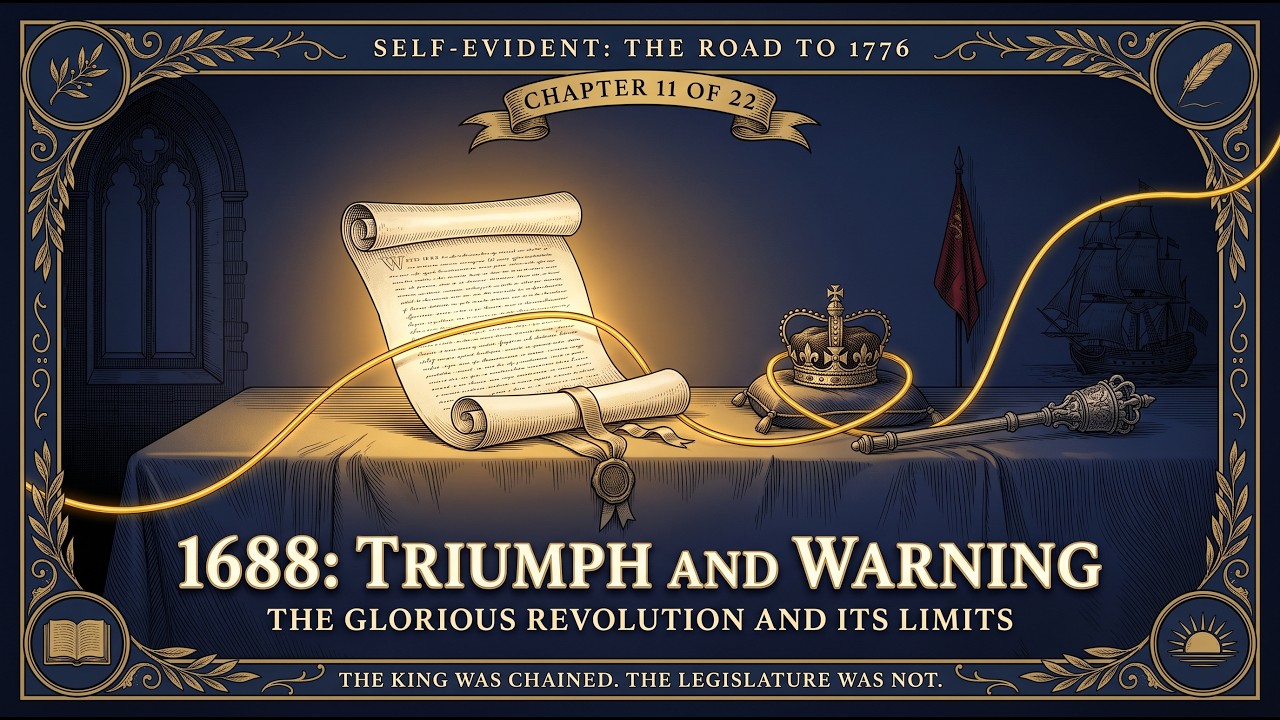
The Glorious Revolution of 1688 and the English Bill of Rights
On the afternoon of 5 November 1688, the people of a Devon fishing village looked out at Tor Bay and could not see the water for ships. Something like four hundred and sixty of them, carrying fifteen thousand professional soldiers, their horses, their siege guns, and a printing press. It was the largest fleet to reach English shores since 1066, it had sailed the length of the Channel unopposed, and it belonged to a foreign head of state. Fourteen months later that same kingdo
Aug 224 min read
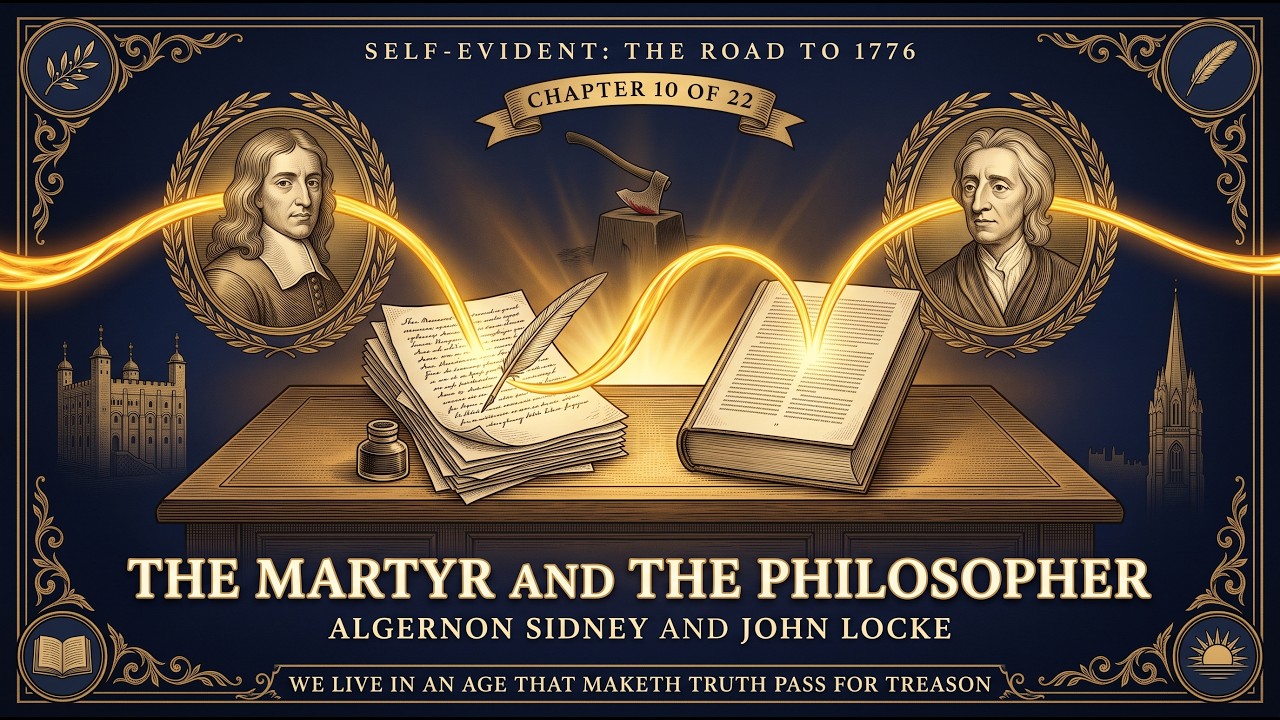
Algernon Sidney and John Locke: How Two Men Answered Filmer and Armed a Revolution
This episode states Filmer’s case at full strength before answering it, because an argument answered in its weakest form has not been answered at all — and his hard question has never entirely gone away. When, exactly, did you consent? Where is this original agreement? Produce it. You were born into a country, under laws written before you existed, enforced by a government you never chose, and you did not sign anything.
Aug 153 min read
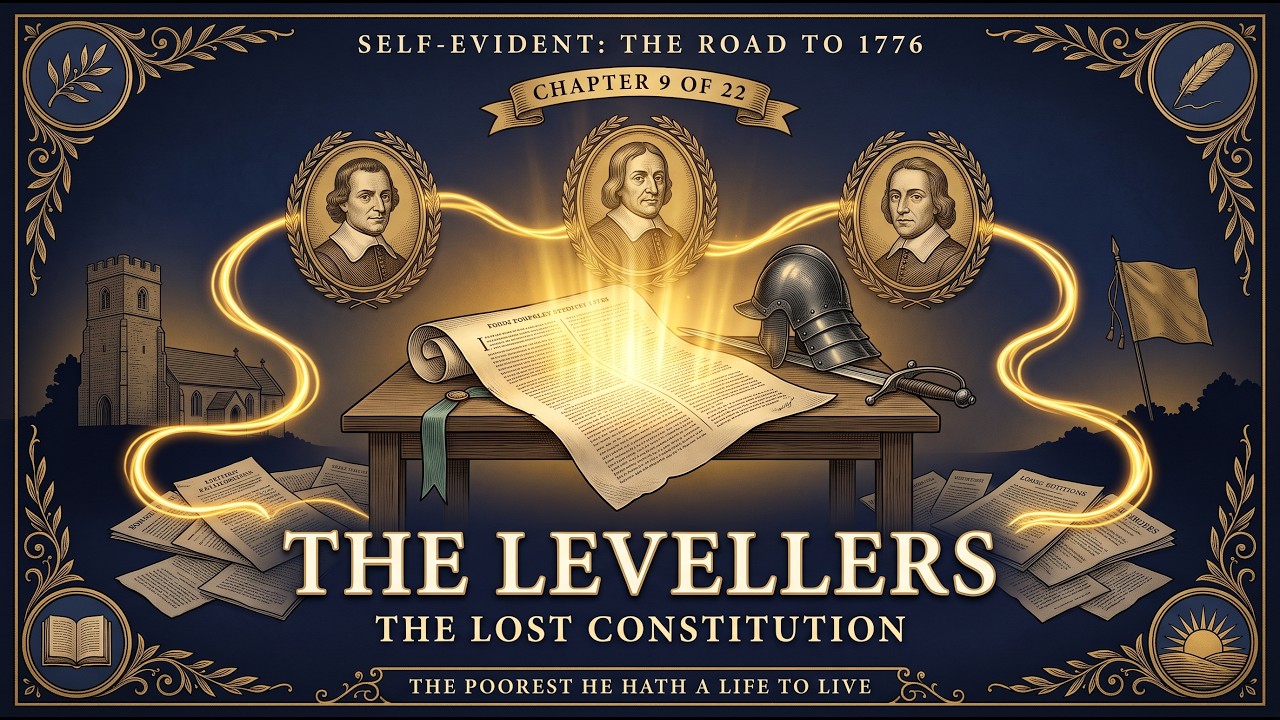
The Levellers: Lilburne, Overton, Walwyn, the Putney Debates, and the Agreement of the People (1647)
Episode 9 traces the Levellers, the print-and-petition network of London radicals and army agitators who took Sir Edward Coke’s defense of English liberty and moved its foundation out from under it.
Aug 83 min read

The St. Bartholomew's Day Massacre and the Birth of Resistance Theory
Theodore Beza vested the right of resistance not in the private individual but in the lesser magistrates — the constituted officers who stand between the sovereign and the subject — making revolt lawful without making it universal. François Hotman built his case from history, arguing in Francogallia that absolute monarchy was a corruption of France's older, better constitution. And the Vindiciae Contra Tyrannos, published under a pseudonym in 1579, grounded the whole structur
Jul 183 min read

Why This History Matters Now
What is the difference between a right and an entitlement? This contemporary application episode takes the concept of natural rights inherited by the American Founders — introduced on Saturday in “The Golden Thread” — and applies it to the most consequential category confusion in modern politics: the belief that a government benefit funded by other people’s labor is a right. Using the 2026 Social Security solvency debate as its spine, the episode walks the hardest case honest
Jun 162 min read

The Golden Thread
The series opener makes a single, startling claim: the truths the Declaration of Independence calls self-evident were not invented in Philadelphia. They were inherited — refined across more than two thousand years, in more than one civilization, by men who rarely knew one another. Jefferson himself said as much, naming Aristotle, Cicero, Locke, and Sidney as the “elementary books” behind the Declaration. This episode establishes that the Founders were readers before they were
Jun 132 min read
bottom of page